
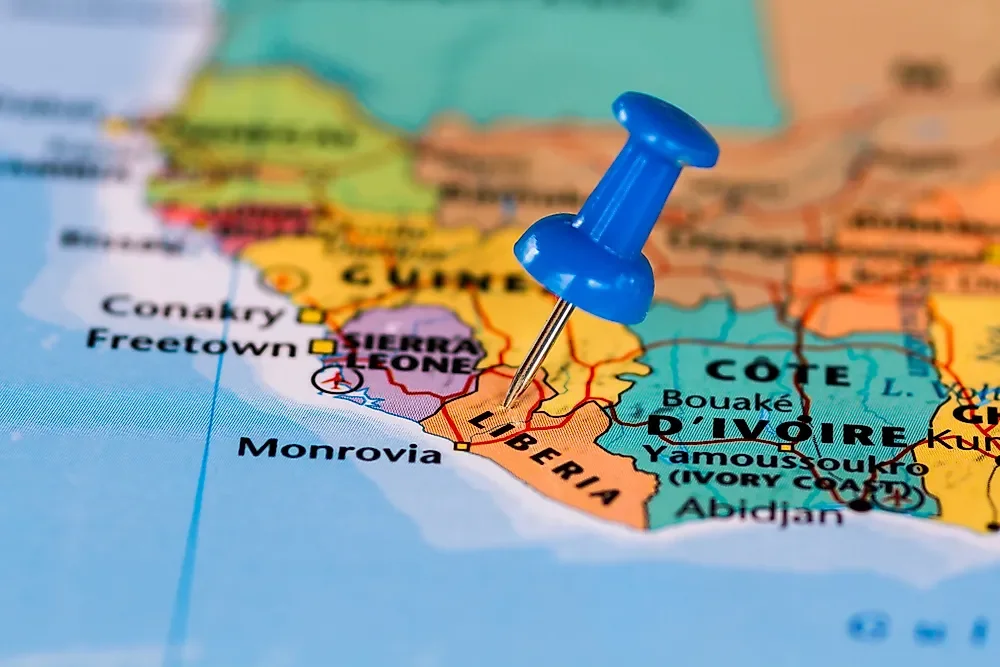
Liberia: A Nation of Promise and Urgency
Liberia is a young, vibrant nation in West Africa facing deep challenges and profound opportunities. With a growing population and a rich spiritual heritage, the country stands at a crossroads—where compassionate support and strategic investment can transform lives.
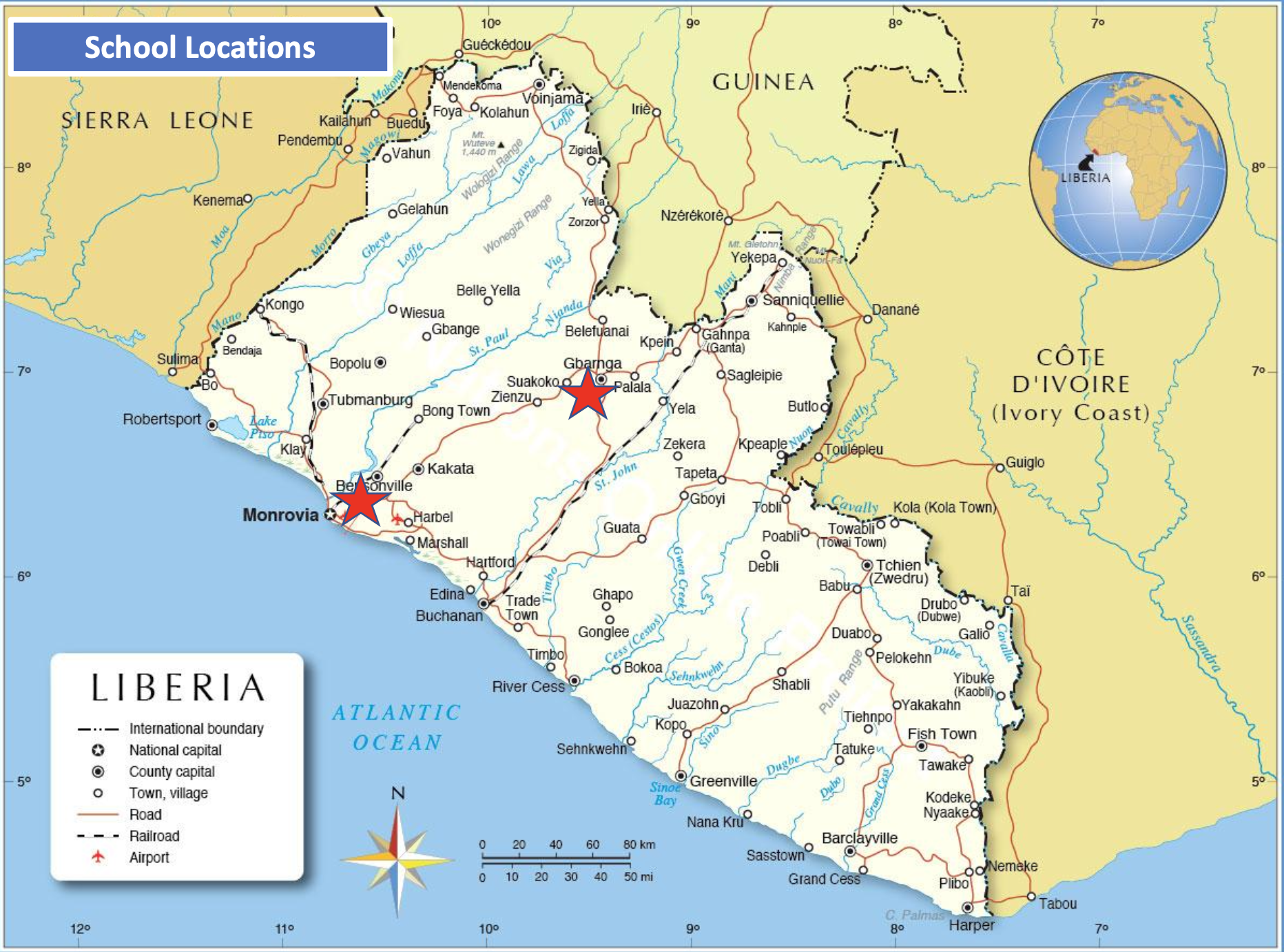
Nestled along the West African coast, Liberia borders Sierra Leone, Guinea, and Côte d’Ivoire, with the Atlantic Ocean to its west. Its lush terrain spans rainforests, rivers, and fertile plains, yet many of its people face daily struggles for survival. As of 2025, Liberia’s population is approximately 5.73 million, growing at a rate of just over 2% annually.
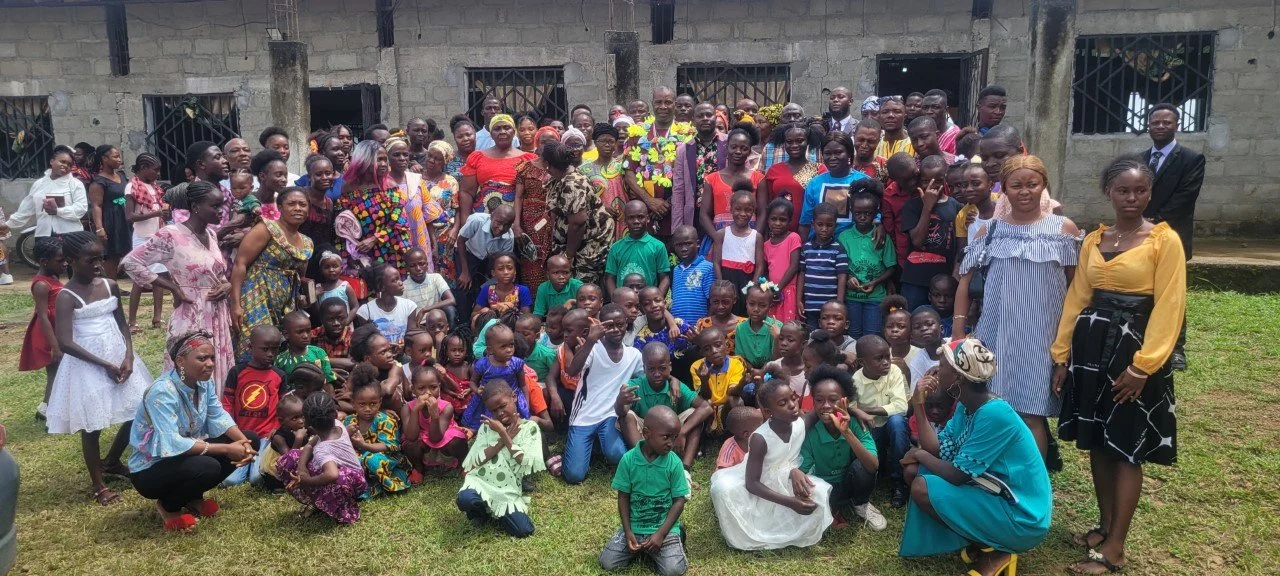
The country’s demographic profile is striking: over 41% of Liberians are under the age of 14, making it one of the youngest populations in the world.
This youthful surge presents both a challenge and an opportunity. With such a large number of children and youth, the demand for food, clothing, education, and spiritual guidance is immense. According to the UN and World Food Program, over 531,000 Liberians face acute food insecurity, and more than 2 million live below the poverty line, representing nearly half the population. Many families lack access to clean water, basic healthcare, and safe housing.
-
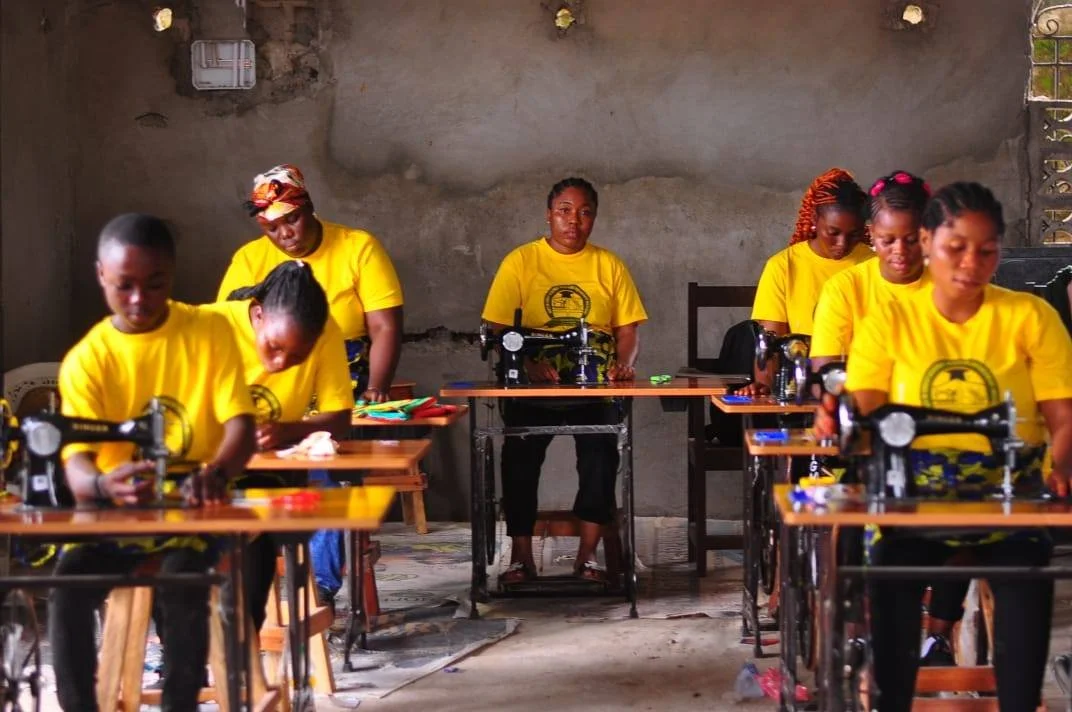
Education
Although the government has prioritized rebuilding the sector post-conflict and post-Ebola, Liberia still struggles with overcrowded classrooms, undertrained teachers, and limited access to school supplies and books. Initiatives like vocational training and school feeding programs are helping, but the scale of need remains vast.
-
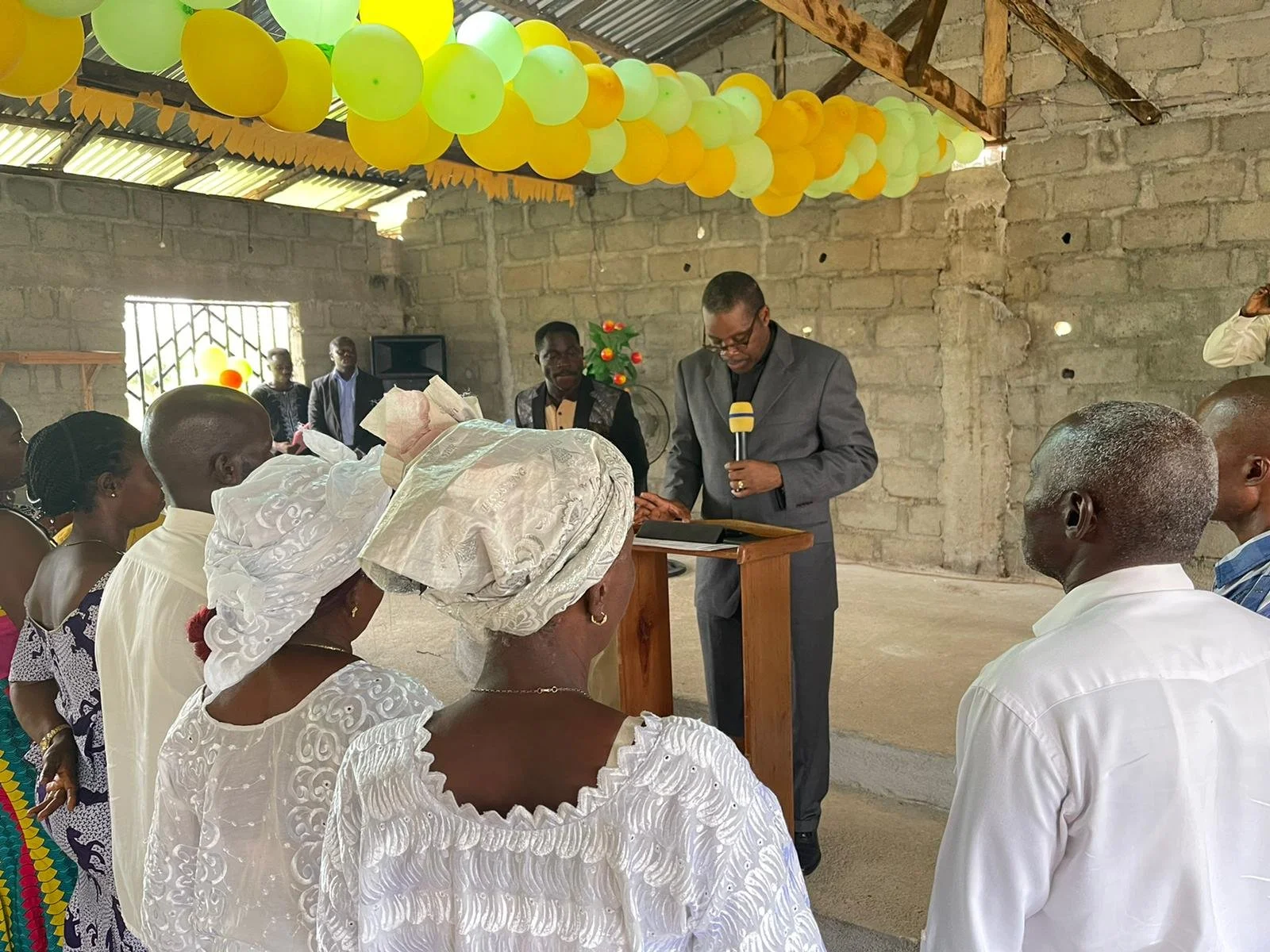
Spiritual
Liberia is deeply rooted in faith. Christianity is the dominant religion, practiced by approximately 85% of the population, with a wide range of denominations including Methodist, Baptist, Catholic, Pentecostal, and others. Islam accounts for about 12%, primarily among the Mandingo and Vai ethnic groups. Traditional beliefs are also woven into the cultural fabric, especially through the Poro and Sande societies, which influence rites of passage and community values.
-
Political
Liberia is a multiparty republic modeled after the United States, with executive, legislative, and judicial branches. The president serves as both head of state and government, elected for a six-year term. The country is divided into 15 counties, each overseen by a superintendent appointed by the president. While Liberia has made strides in peace and democratic governance since its civil wars, challenges remain in infrastructure, transparency, and economic diversification.
Why Support Matters
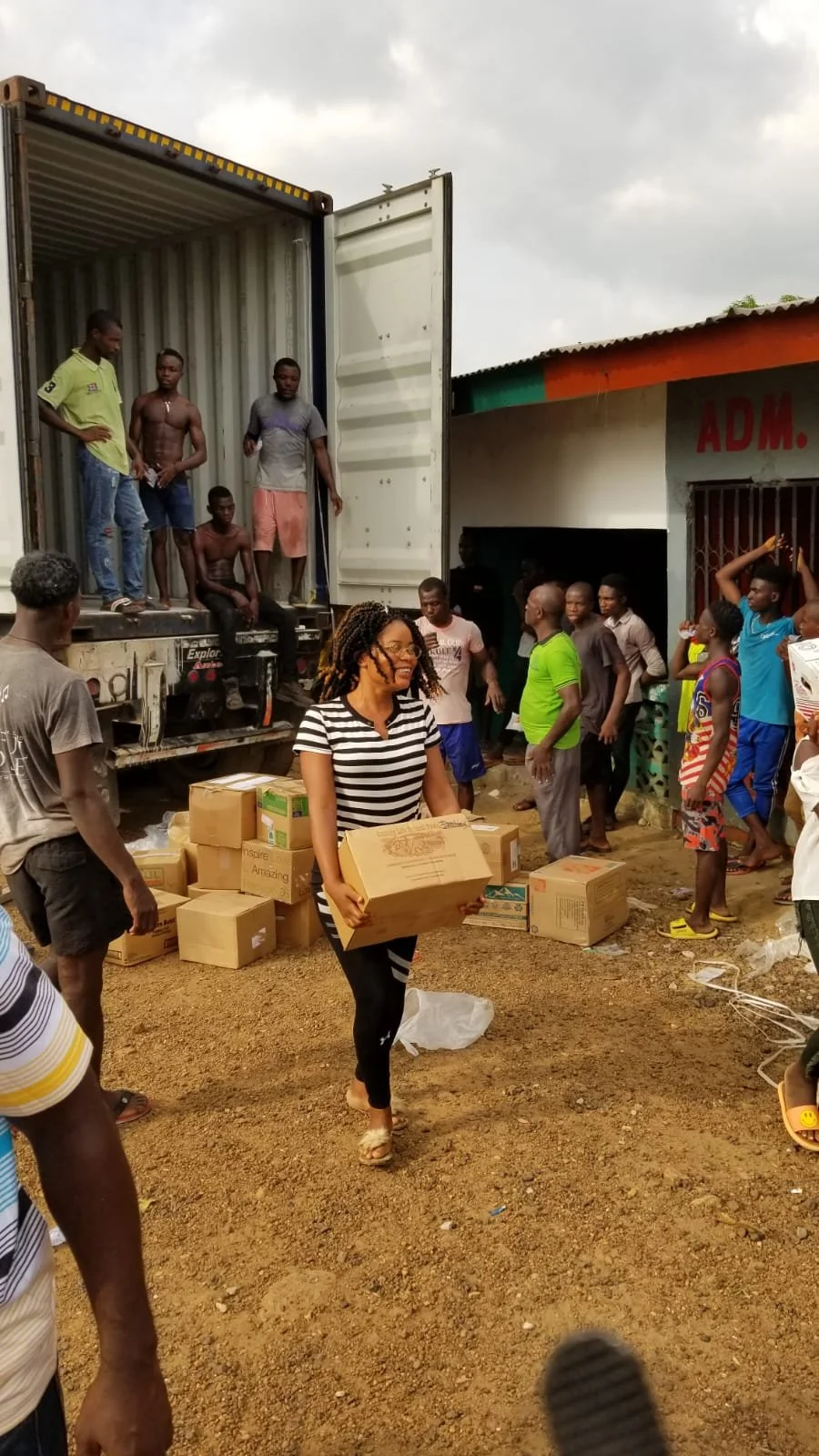
Liberia’s story is one of resilience—but it cannot be written alone. The nation’s children need books for libraries, Bibles for spiritual growth, clothing for dignity, and food for nourishment. Schools need desks, chalkboards, and trained teachers. Families need jobs, clean water, and hope.
Organizations and ministries like Love For Liberia are stepping into this gap, offering education, discipleship, and practical support. But the need is greater than any one group can meet. It calls for a global response—churches, donors, and partners who believe in the power of transformation.
“If you want to go fast, go alone. If you want to go far, go together.” — African Proverb
Together, we can go far—for Liberia, and for the future it holds.